One in three adults doesn’t get enough sleep. If you’re waking up tired, struggling to fall asleep, or relying on coffee to function — your sleep hygiene probably needs attention. The good news is that a few deliberate changes to your sleep environment and pre-bed routine can make a dramatic difference.
Sleep isn’t passive downtime. It’s when your brain consolidates memories, your immune system fights off disease, your body repairs muscle tissue, and your hormones rebalance. Getting quality sleep isn’t a luxury. It’s a biological necessity.
What Is Sleep Hygiene, Exactly?
Sleep hygiene refers to the collection of habits and environmental factors that affect the quality and duration of your sleep. Just like dental hygiene involves brushing and flossing every day, sleep hygiene involves consistent behaviors that protect your sleep quality over time.
Poor sleep hygiene includes irregular sleep schedules, screen use before bed, consuming caffeine in the afternoon, and sleeping in a room that’s too warm, bright, or noisy. Good sleep hygiene addresses all of these systematically.
Your Complete Sleep Hygiene Checklist
Set a Consistent Sleep Schedule
Your body has a circadian rhythm — an internal clock that runs on roughly 24-hour cycles. Going to bed and waking up at the same time every day (yes, including weekends) keeps this clock calibrated. Irregular sleep schedules confuse your circadian rhythm and make it harder to fall asleep and feel refreshed upon waking.
Pick a wake time you can stick to and work backward 7–9 hours to find your target bedtime.
Create a 30-Minute Wind-Down Routine
Your brain doesn’t switch from “on” to “sleep” instantly — it needs a transition period. Build a calming 30-minute buffer before bed: dim the lights, put your phone in another room, and do something relaxing like reading, gentle stretching, or listening to calm music.
Optimize Your Bedroom Environment
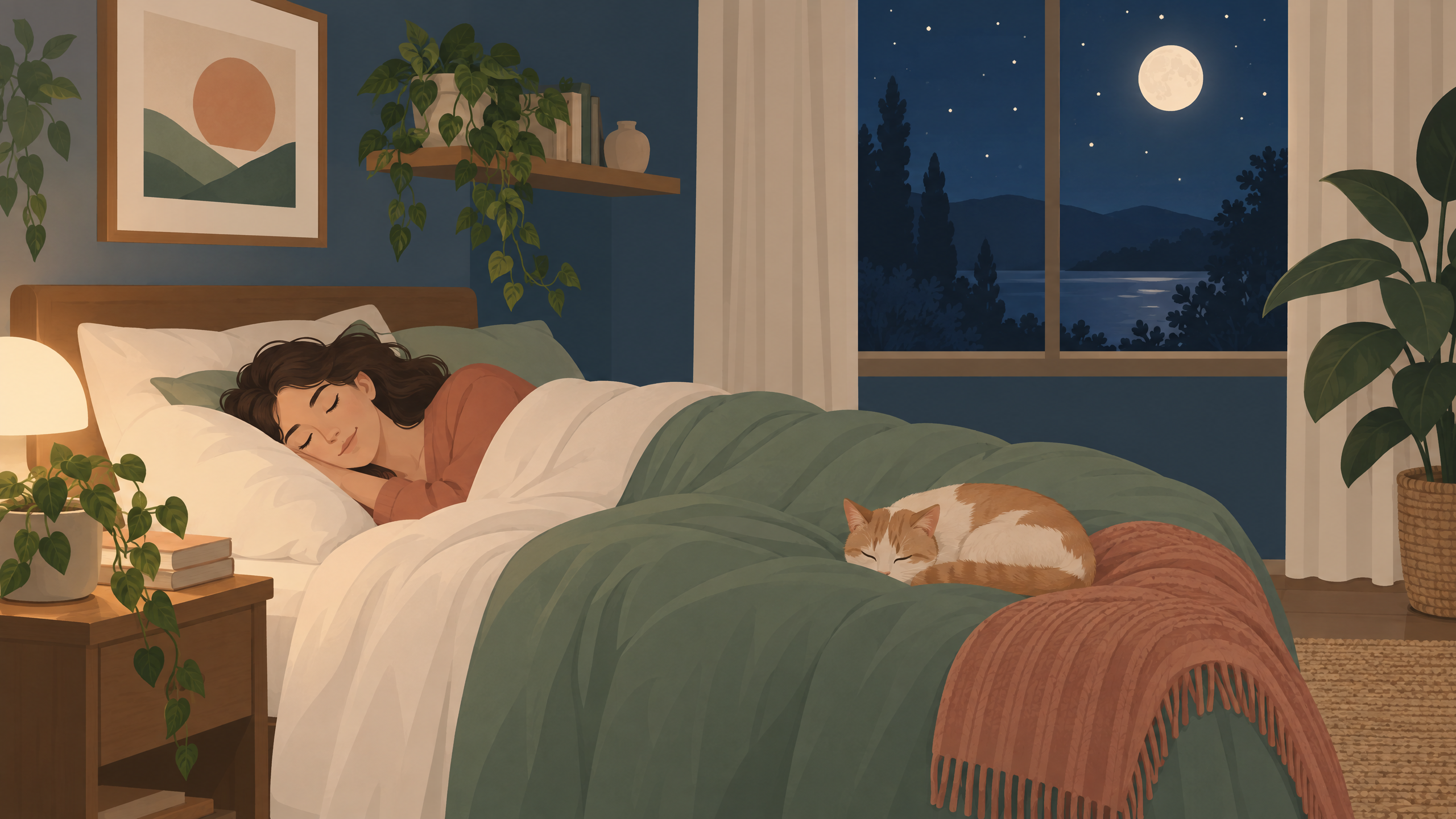
Your bedroom should send your brain one clear signal: it’s time to sleep. That means:
- Temperature: Keep your room cool, ideally between 60–67°F (15–19°C). Your body temperature naturally drops as you fall asleep, and a cool room supports this.
- Darkness: Even small amounts of light disrupt melatonin production. Use blackout curtains or a sleep mask.
- Noise: Silence is ideal. If you can’t control external noise, white noise or a fan can mask disruptive sounds.
- Comfort: Your mattress and pillow matter more than most people admit. If you wake up with aches and pains, it’s worth evaluating your sleep setup.
Watch What You Consume
Caffeine has a half-life of about 5–7 hours. That afternoon coffee at 3 PM still has half its caffeine in your system at 9 PM. Cut off caffeine by 2 PM if you struggle with sleep.
Alcohol might help you feel drowsy, but it disrupts REM sleep — the deep, restorative phase — and typically causes fragmented sleep in the second half of the night.
Large meals close to bedtime can disrupt sleep through digestion and acid reflux. Aim to eat your last substantial meal 2–3 hours before bed.
Get Sunlight in the Morning
Natural light exposure in the morning is one of the most powerful tools for regulating your sleep-wake cycle. Even 10–15 minutes of outdoor light in the morning signals your brain to be alert now and release melatonin later at night. This simple habit can meaningfully improve your sleep within a few weeks.
Handle the “Racing Mind” Problem
Lying in bed unable to stop thinking is one of the most common sleep complaints. A few strategies that work:
Write it down. Keep a notepad by your bed. If thoughts won’t stop, write them down so your brain can stop trying to hold them. This is called “cognitive offloading.”
Use the 20-minute rule. If you’ve been lying awake for more than 20 minutes, get up and do something calm in dim light until you feel sleepy again. Lying in bed awake trains your brain to associate the bed with wakefulness.
Relaxation techniques. Progressive muscle relaxation, 4-7-8 breathing, or guided sleep meditations (available on apps like Insight Timer) can help quiet an overactive mind.
When Sleep Problems Signal Something More
Chronic insomnia — difficulty sleeping more than three nights per week for more than three months — often requires professional help. Cognitive Behavioral Therapy for Insomnia (CBT-I) is the gold-standard treatment and is more effective than sleep medication for long-term results.
If you suspect sleep apnea (loud snoring, gasping during sleep, waking with headaches), talk to your doctor. It’s treatable and addressing it can transform your health.
For more wellness strategies that support better sleep, read our guide on stress management techniques and natural ways to boost energy. Better sleep and better energy are deeply connected — improving one improves the other.